


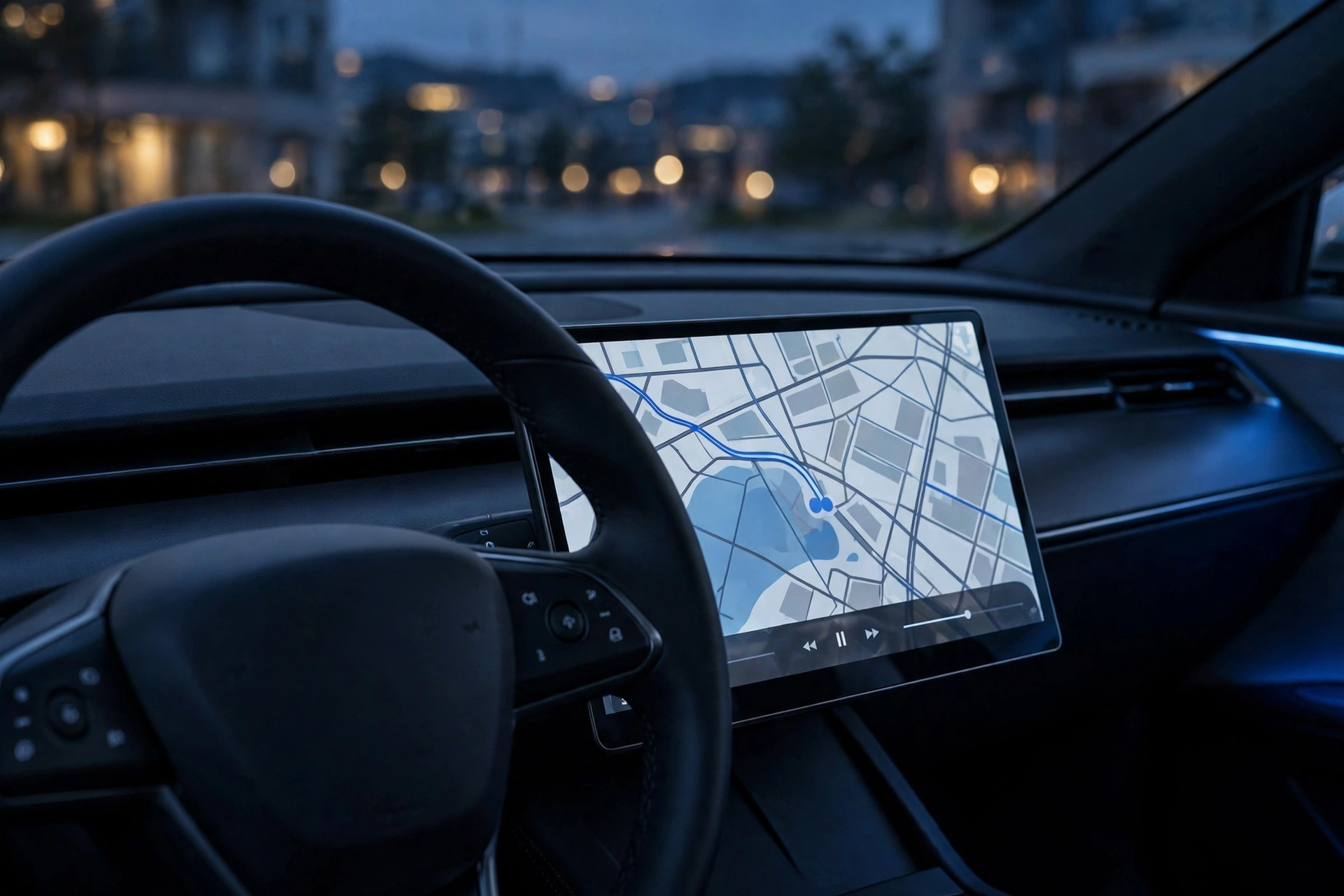
If your phone still runs Android 9 or Android 10, your car may soon stop talking to it. Google has quietly raised Android Auto’s minimum requirement to Android 11, cutting off two generations of older phones from the in-car experience.
The change was spotted on Google’s own Android Auto support page, which now lists an Android phone running Android 11.0 or higher as a requirement — for both wired and wireless connections. Android Authority first noticed the updated wording, and 9to5Google and Android Police confirmed it on November 9, 2026.
Key Takeaways
- Android Auto now requires Android 11 or newer — Google updated its support page, and the requirement covers both wired and wireless connections.
- Android 9 and Android 10 phones are cut off — the previous minimum was Android 9, a floor Google raised in 2024 but only started enforcing in 2025.
- Some users saw the warning coming — drivers on Android 10 started seeing a “Phone will no longer be supported” message in October 2026.
- No exact cutoff date yet — the latest Android Auto 18.1 update still supports Android 10, so working phones may keep working until the next app update.
- The fix is simple but not free — update your phone to Android 11 or newer, or upgrade to a newer handset if your phone no longer gets updates.
What Exactly Changed
Android Auto lets drivers use Google Maps, Spotify, calls and messages on their car’s infotainment screen without touching their phone. Until now, Google officially supported phones running Android 9 (Pie) and Android 10 (Q) for that experience.
Google’s support page now says something different. Under the requirements section it lists: “An Android phone with Android 11.0 (Red Velvet Cake) or higher and an active data plan.” The same Android 11 floor applies to wireless projection, which previously had its own, lower bar in some regions.
This is not the first time Google has moved the line. The minimum was raised from Android 9 to Android 11 back in 2024, but Google did not enforce it until 2025 — and the support documentation only caught up this week. In October 2026, some drivers on Android 10 began seeing a warning message in the Android Auto app saying their phone would no longer be supported. The updated page confirms that warning was real.
Why Google Is Dropping Older Phones
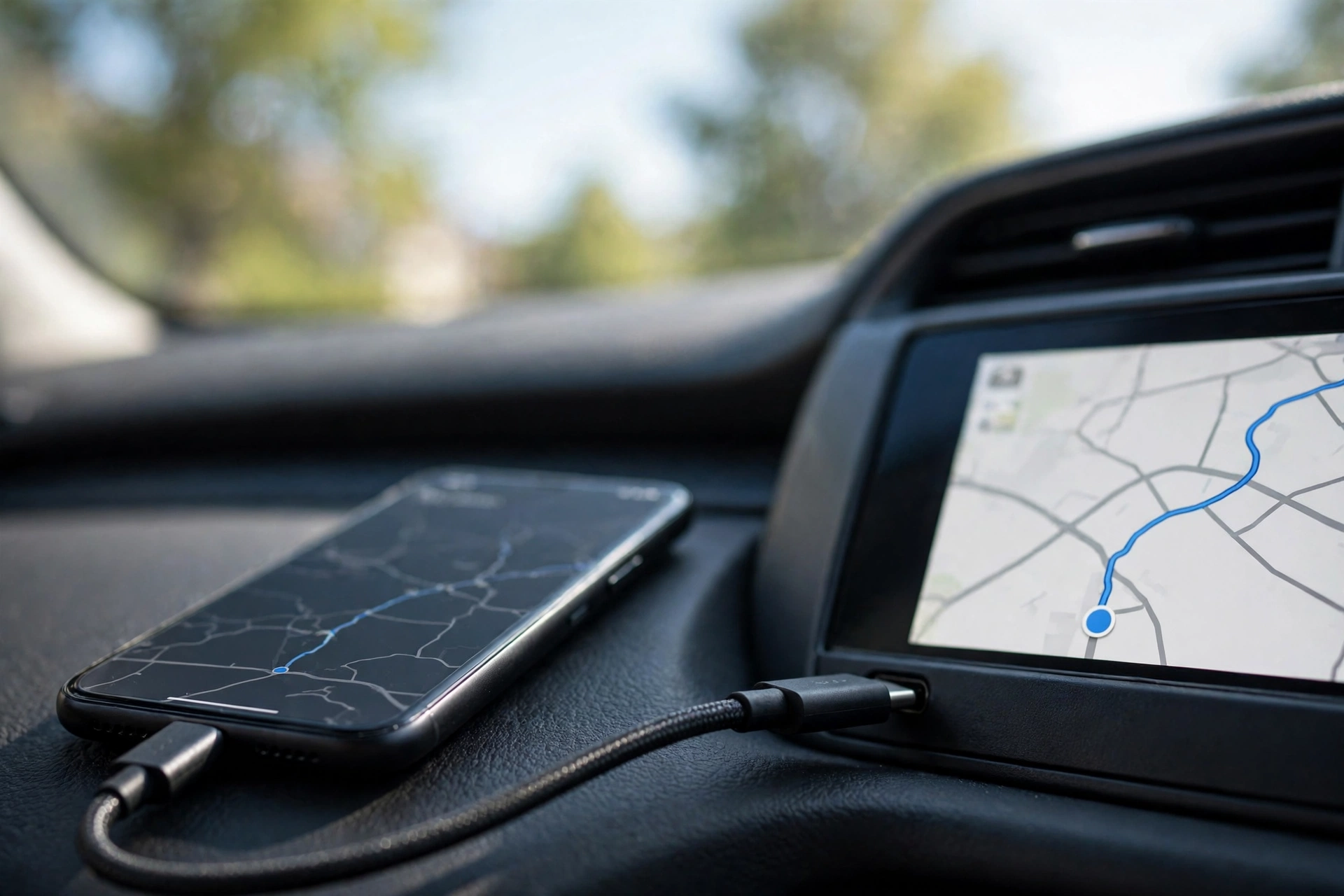
Google has not published a detailed explanation, but the reasons are familiar ones. Newer Android Auto features — including the Gemini assistant integration, richer voice controls and higher-resolution graphics — rely on APIs and security features that only arrived in Android 11 and later. Supporting phones from 2018 and 2019 also means maintaining code paths and testing against versions that no longer receive security patches.
Android 11 itself is now six years old — it launched in September 2020 — so the new floor is hardly cutting edge. The vast majority of Android phones in daily use already run Android 11 or newer. The people affected are mostly those holding on to older handsets that stopped receiving updates years ago.
What Happens to Your Phone
Google has not given an exact date for when Android Auto will stop working on every affected device. The current Android Auto 18.1 update still supports Android 10, according to 9to5Google, which suggests the cutoff will arrive with a future app update rather than a sudden switch-off.
In practice, that means:
- If your phone runs Android 11 or newer, nothing changes. Android Auto keeps working as before.
- If your phone runs Android 10, it may keep working for now, but expect it to stop after a coming Android Auto update. Check for a system update first — many phones that shipped with Android 10 can be updated further.
- If your phone runs Android 9 or older, it is already outside the supported range, and there is no official way back.
How to Check Your Android Version
Checking takes less than a minute. Open Settings, then go to About phone and look for Android version. If the number is 11 or higher, you are fine. If it is 10 or lower, tap Software update (usually under Settings → Software update, or Settings → System → System update) and install anything available.
Some older phones will show no update at all — that means the manufacturer has ended support for that model. In that case the only official route to Android Auto is a newer phone. Unofficial custom ROMs exist for some models, but they are not a practical or safe recommendation for most drivers.
The Bigger Picture
The Android 11 requirement is part of a broader clean-up across Google’s in-car platform. Android Auto 18.1, the latest stable release, is already laying the groundwork for Google’s next-generation “Cielo” interface, with new Gemini Live branding and a redesigned app drawer on the way. Those features are being built for modern phones — and Google is clearly no longer willing to carry the oldest ones along.
For most drivers, this is a non-event. For anyone still daily-driving a phone from 2019, it is a nudge that the upgrade clock has finally run out.
Related Guides
- Valeo’s Scala 3 LiDAR Brings Level 3 and 4 Driving Closer
- Tesla Renames Its Driver Assistance in Europe
- Pixel November 2026 Update Delayed / Android 17 QPR2 May Arrive Early
FAQ
What is the new Android Auto minimum requirement?
Google now requires a phone running Android 11.0 or newer to use Android Auto, for both wired USB and wireless connections.
Which phones lose Android Auto?
Phones running Android 9 and Android 10 fall below the new requirement. Android 10 phones may keep working until a future Android Auto update removes support.
Why did Google raise the Android Auto requirement to Android 11?
Google has not given a detailed reason, but newer Android Auto features — including Gemini integration and richer voice controls — rely on capabilities introduced in Android 11 and later, and older versions no longer receive security updates.
How do I check my phone’s Android version?
Open Settings, go to About phone, and look for Android version. If it shows 11 or higher, Android Auto will keep working.
Can I still use Android Auto on Android 10?
For now, yes — Android Auto 18.1 still supports Android 10. But Google has already warned Android 10 users that support is ending, so expect it to stop with a coming app update.
Sources: 9to5Google (Nov 9, 2026), Android Police (Nov 9, 2026).
