


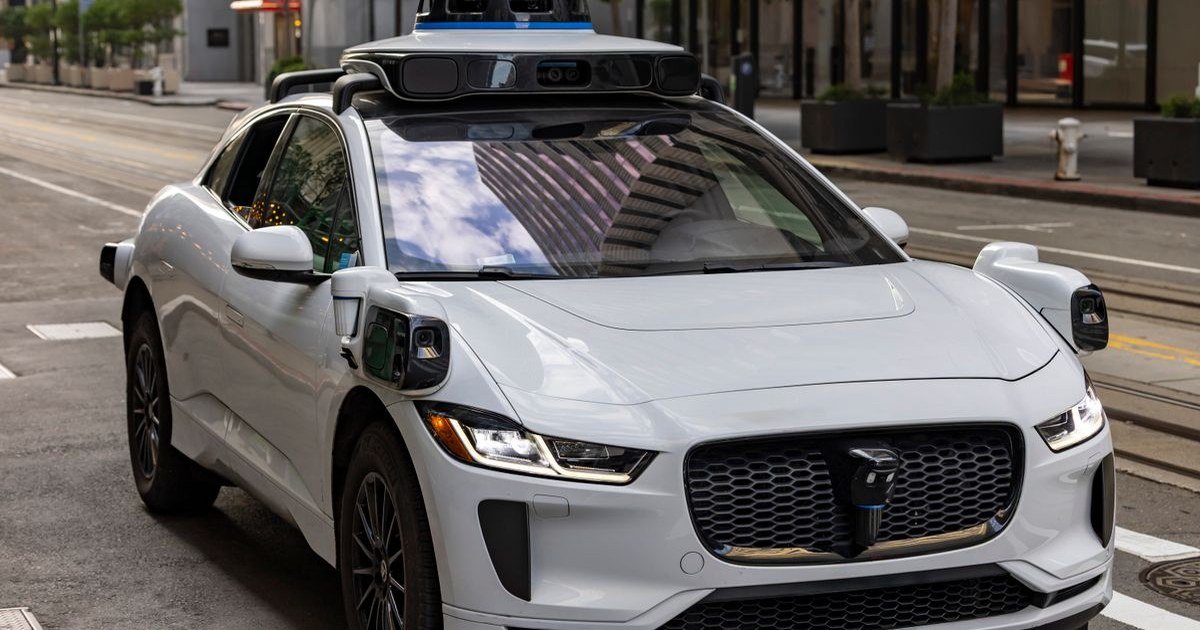
At the Paris Motor Show 2026 (October 12–18), supplier giant Valeo showed the SCALA 3 LiDAR — a laser sensor designed for Level 3 and Level 4 automated driving. It can detect obstacles more than 200 metres away and support unsupervised driving at speeds up to 130 kph. LiDAR is the technology that lets a car build a precise 3D picture of the world around it, and SCALA 3 is Valeo’s bid to make high-level automation safe enough for mass production.
What Is LiDAR, and Why Does It Matter?
LiDAR (Light Detection and Ranging) fires laser pulses and measures how long they take to bounce back, building a real-time 3D map of the surroundings. Unlike cameras, it works in the dark and measures distances directly. Unlike radar, it sees fine detail — lane markings, pedestrians, small obstacles. Most experts consider LiDAR essential for true Level 3 (eyes-off) and Level 4 (driverless in defined areas) driving.
SCALA 3 LiDAR: Key Specifications
- Detection range: Obstacles beyond 200 metres.
- Automation levels: Designed for Level 3 and Level 4 applications.
- Unsupervised driving: Supports speeds up to 130 kph.
- Role: Primary sensing for highway automation and advanced driver-assistance systems.
Valeo’s Bigger Play: Software-Defined Vehicles
SCALA 3 was not Valeo’s only announcement. The company also showed:
- Smart Safety 360: An architecture including a “1-Box” system supporting everything from Level 1 and Level 2 ADAS up to Level 2+ Highway Navigation on Autopilot (NOA).
- Valeo anSWer: A software platform suite combining applications, scalable middleware, and cloud-based digital-twin validation for automakers — designed to shorten development timelines.
- AI in development: CEO Christophe Périllat said Valeo is using AI and software to cut vehicle development cycles to a few months.
The message: the car industry is shifting from hardware-defined to software-defined vehicles, and suppliers like Valeo want to sell the full stack — sensors, software, and validation.
What SCALA 3 Means for Drivers
You will not buy a SCALA 3 sensor directly — it is a component automakers integrate into their cars. But its arrival matters: 200m+ detection and 130 kph unsupervised capability are the building blocks for highway autopilot systems that actually work. Expect to see SCALA-generation sensors in premium cars first, then spreading downward as costs fall. Regulators are also reshaping what driver-assistance systems can be called — Tesla renamed FSD to Tesla Assisted Driving in Europe.
FAQ
What is Valeo SCALA 3 LiDAR?
A laser sensor for Level 3 and Level 4 automated driving, shown at Paris Motor Show 2026.
How far can SCALA 3 LiDAR detect?
It can detect obstacles beyond 200 metres.
What speed does SCALA 3 support for unsupervised driving?
Up to 130 kph, according to Valeo.
What is the difference between Level 2, Level 3, and Level 4 driving?
Level 2: driver assists (driver must watch the road). Level 3: eyes-off in defined conditions (driver must take over when asked). Level 4: driverless within defined areas/conditions.
When will cars with SCALA 3 LiDAR be on sale?
Valeo supplies automakers, so timing depends on each carmaker’s model plans. The technology is aimed at upcoming premium and highway-automation models.
Sources: Global Auto Insight; MarkLines (Paris Motor Show 2026 coverage).
